Next-Generation Computing Explained
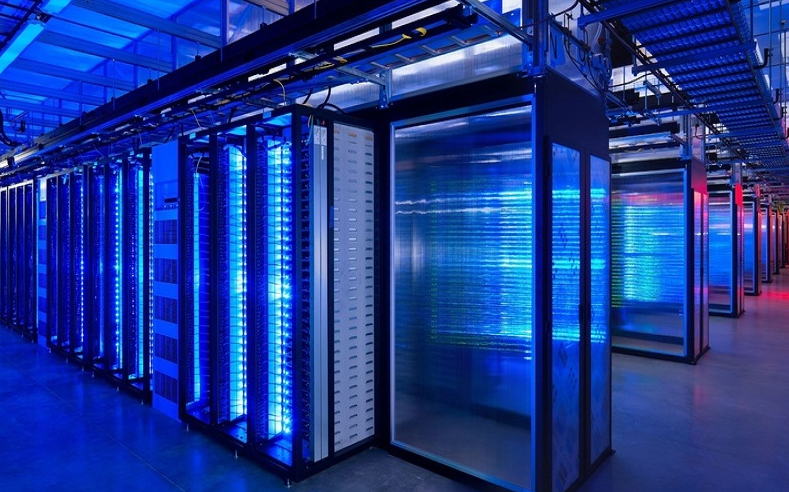
Next-generation computing is revolutionizing the way technology processes information. By integrating advanced systems like quantum computing and neuromorphic chips, this field promises to unlock capabilities previously thought impossible. These innovations not only enhance computational power but also mimic human brain functions, leading to more efficient and adaptable systems. As these technologies evolve, their implications for various industries are profound and far-reaching. What might the future hold for this rapidly advancing landscape?
What Is Next-Generation Computing?
Next-generation computing refers to the evolution of technology that aims to surpass the limitations of current computing paradigms.
It encompasses innovative approaches such as quantum computing, which leverages quantum mechanics for unparalleled processing power, and neuromorphic chips, designed to mimic the human brain’s neural networks.
Together, these advancements promise enhanced performance, efficiency, and the potential to unlock new realms of computational freedom.
See also: fideleturfs
Innovative Technologies Powering Next-Gen Computing
The advancements in next-generation computing are driven by a variety of innovative technologies that are reshaping the landscape of digital processing.
Quantum processors enable unparalleled computational speeds, tackling complex problems previously deemed unsolvable.
Meanwhile, neuromorphic chips mimic human brain functions, enhancing efficiency and adaptability.
Together, these technologies promise a future where computing is not only faster but also more intuitive and flexible.
Transformative Applications of Next-Gen Computing
A myriad of transformative applications is emerging from advancements in next-gen computing, fundamentally altering various sectors.
Quantum computing is revolutionizing complex problem-solving, particularly in pharmaceuticals and cryptography.
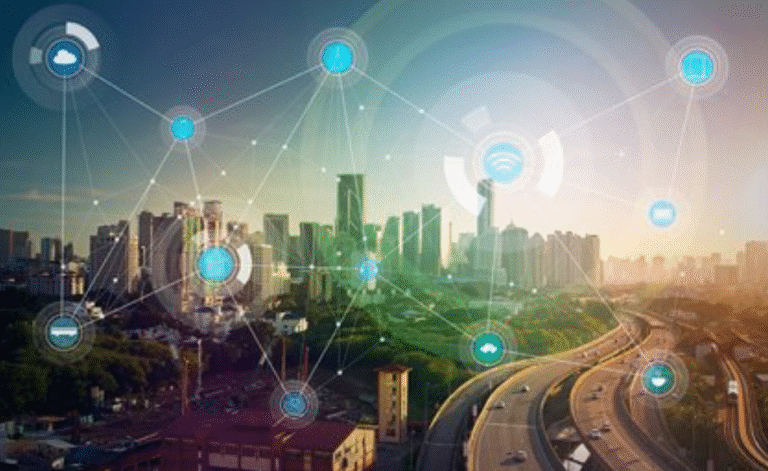
Meanwhile, edge computing enhances real-time data processing in IoT devices, empowering smart cities and autonomous vehicles.
Together, these technologies promise increased efficiency and innovation, fostering an environment where creativity and freedom can thrive.
What’s Next for Computing? Trends and Predictions
Emerging trends in computing reveal a landscape ripe with potential, as innovations continue to reshape the technological frontier.
Quantum supremacy promises to revolutionize problem-solving capabilities, while edge intelligence enhances real-time data processing at the source.
Together, these advancements pave the way for a decentralized, efficient computing environment, empowering individuals and organizations to harness data like never before and fostering unprecedented freedom in technology.
Conclusion
In conclusion, next-generation computing stands at the brink of a technological renaissance, akin to a butterfly emerging from its chrysalis. With quantum computing and neuromorphic chips poised to redefine the boundaries of processing power and efficiency, the potential applications span across diverse fields, transforming industries and enhancing everyday experiences. As these innovations continue to evolve, they promise to illuminate the path toward a more intelligent and interconnected future, captivating the imagination of what computing can achieve.