The Future of Distributed Technology
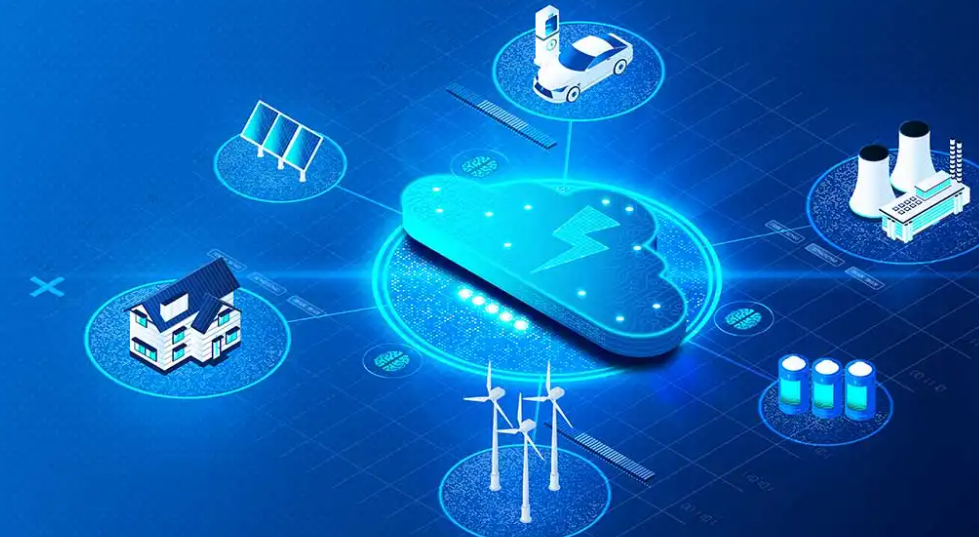
The future of distributed technology is poised to redefine the landscape of digital interactions. As decentralized networks gain traction, they promise greater user autonomy and resilience. Innovations in blockchain enhance security and transparency, fostering trust among participants. However, numerous challenges accompany this transformation. Understanding these complexities is crucial for stakeholders. What implications will this shift have for industries and organizational structures? The answers may reshape the way we engage with technology.
Key Components of Distributed Technology You Need to Know
Understanding the key components of distributed technology is essential for grasping its transformative potential.
Central to this framework are decentralized networks, which empower users by removing centralized control.
Additionally, blockchain security enhances trust through cryptographic measures, ensuring data integrity and transparency.
Together, these elements foster an environment conducive to innovation and autonomy, aligning with the fundamental principles of freedom sought by individuals in a digital landscape.
The Impact of Distributed Technology on Key Industries
The influence of distributed technology extends far beyond the foundational components of decentralized networks and blockchain security, permeating various key industries and transforming operational paradigms.
In the supply chain sector, enhanced transparency and traceability emerge, fostering trust among stakeholders.
Meanwhile, financial services benefit from increased efficiency and reduced costs, enabling peer-to-peer transactions that empower individuals, ultimately reshaping economic interactions and fostering autonomy.
See also: The Future of Creative Technology
Navigating the Challenges of Adopting Distributed Technology
Adoption of distributed technology presents a complex landscape fraught with challenges that organizations must navigate to fully realize its potential.
Scalability concerns often inhibit growth, as systems struggle to adapt to increasing demands.
Additionally, security challenges loom large, with vulnerabilities potentially exposing sensitive data.
Organizations must strategically address these issues, ensuring robust solutions that foster innovation while safeguarding their technological investments.
Future Trends in Distributed Technology
As organizations increasingly embrace distributed technology, emerging trends are shaping its future landscape.
Notably, the rise of decentralized networks enhances autonomy and resilience, allowing users to engage without central control.
Additionally, blockchain innovations are driving transparency and security, fostering trust among participants.
These trends signify a shift towards more democratic technology ecosystems, empowering individuals and redefining traditional organizational structures in the process.
Conclusion
In conclusion, the future of distributed technology stands as a beacon of innovation, illuminating pathways toward a more equitable digital landscape. As industries evolve and embrace this decentralization, they must also navigate inherent challenges that accompany such profound change. Ultimately, the success of this transformation hinges on collective collaboration and trust among participants, akin to a tightly woven tapestry that, when united, showcases the intricate beauty of a decentralized future, fostering resilience and democratization in technology.