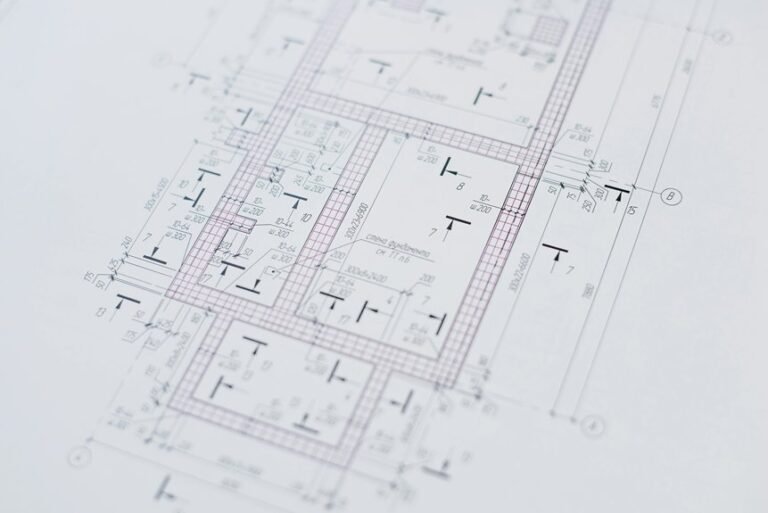
Monitoring Documentation Covering 40something and Feedback Notes
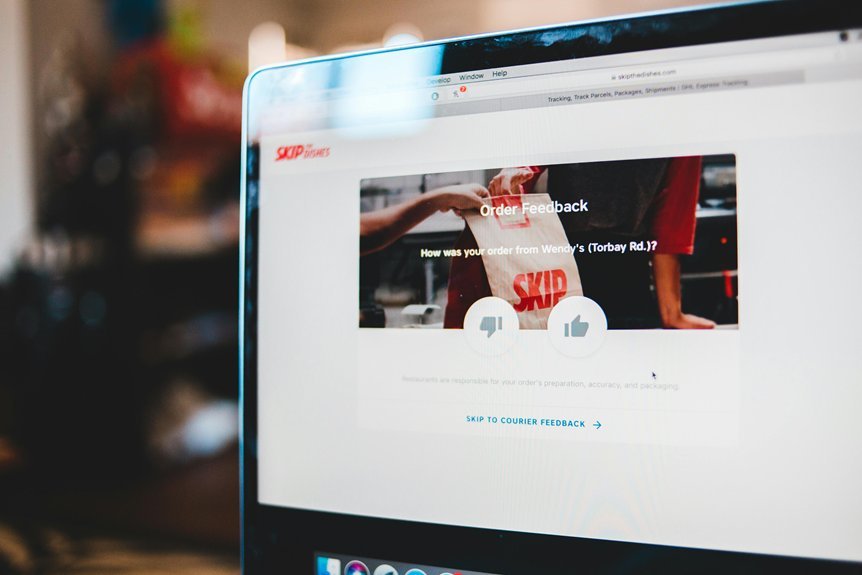
Monitoring documentation for 40Something projects combines clear status, metrics, and procedural steps in standard formats. It supports real-time artifacts and governance that balance autonomy with consistency. The approach emphasizes modular, living documentation and feedback notes to fuel continuous improvement. Structured reporting, dashboards, and checklists enable rapid action across teams. The challenge lies in aligning stakeholders and sustaining value, leaving a practical path that invites further exploration.
What Monitoring Documentation for 40Something Projects Looks Like
Monitoring documentation for 40Something projects is a structured artifact that captures system status, performance metrics, and procedural steps to ensure reliability. The record emphasizes clarity, standard formats, and accessible dashboards for autonomy. It presents monitoring documentation ideas as modular templates and concise checklists, enabling rapid assessment. Feedback loops are implied through metrics reviews, ensuring ongoing improvement without compromising freedom in execution.
How Feedback Notes Drive Living Documentation Workflows
Feedback notes catalyze living documentation workflows by capturing real-time insights, decisions, and revisions as they occur.
They seed feedback loops that align teams, ensure transparency, and accelerate response times.
In living workflows, updates propagate through documentation culture, enabling continuous improvement.
Clear governance preserves consistency while granting autonomy, fostering a disciplined yet flexible environment where feedback drives iterative refinement and sustained clarity.
Practical Metrics and Artifacts You Should Capture in Real Time
In real-time environments, capturing practical metrics and artifacts hinges on selecting indicators that promptly reflect status, risk, and progress. Smart Metrics enable rapid interpretation, while Real time Artifacts document evolving conditions. The focus remains on Stakeholder Alignment and Product Growth, ensuring actionable clarity without delay.
This disciplined approach preserves transparency, supports decision speed, and sustains freedom-driven momentum within monitoring workflows.
Integrating Findings Into Teams, Stakeholders, and Product Growth
Effective integration of findings requires a structured approach that translates insights into concrete actions across teams, stakeholders, and product growth.
The text outlines mechanisms to share results, assign ownership, and track progress, ensuring transparency without micromanagement.
It emphasizes driving culture through empowered decisions and aligning governance with strategic objectives, enabling rapid iteration, shared accountability, and sustainable value creation for all stakeholders.
Conclusion
In a detached, third-person view, the article concludes that robust monitoring documentation and living feedback notes form a disciplined yet adaptable framework. Real-time metrics, artifacts, and standardized formats enable swift action, cross-team alignment, and sustained value creation. Practical dashboards, checklists, and clear ownership ensure governance without rigidity. Example: a hypothetical e-commerce platform uses modular dashboards and post-incident notes to reduce MTTR by 30% while feeding product roadmap prioritization through quarterly feedback loops. This cyclical approach drives continuous improvement.