Optimizing Energy Consumption With Technology
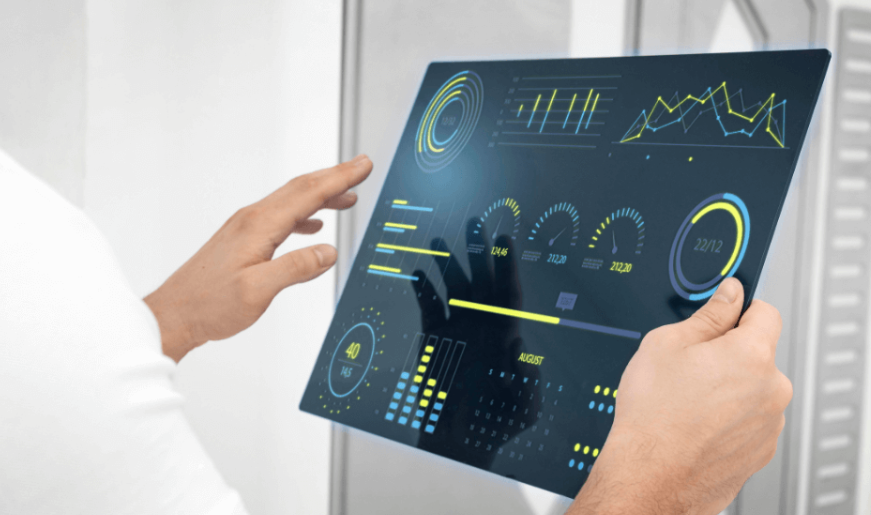
The integration of technology in energy consumption optimization is reshaping how individuals and organizations manage their resources. Smart devices and AI-driven analytics provide critical insights into energy use patterns. This data-driven approach enables precise adjustments to consumption, promoting efficiency and sustainability. However, understanding the full impact of these technologies requires a closer examination of their functionalities and the strategies for implementation. The implications for both cost savings and environmental responsibility are significant.
Why Renewable Energy Is Key to Efficient Energy Savings
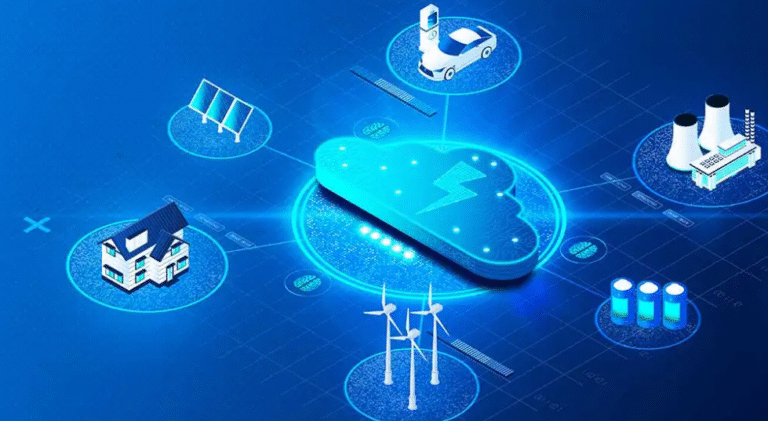
As global energy demands continue to rise, the integration of renewable energy sources emerges as a critical strategy for achieving efficient energy savings.
Effective energy policies that prioritize these sources not only reduce greenhouse gas emissions but also enhance energy security and stability.
See also: Next-Generation Computing Explained
How Smart Devices Enhance Energy Management
Smart devices represent a transformative force in energy management, enabling users to monitor and optimize their energy consumption with precision.
Smart thermostats facilitate adaptive temperature regulation, significantly reducing unnecessary energy use.
Moreover, advanced energy monitoring systems provide real-time data analytics, empowering users to make informed decisions.
This integration of technology fosters a more sustainable lifestyle, promoting autonomy while optimizing energy efficiency.
How AI Improves Energy Efficiency?
How can artificial intelligence (AI) enhance energy efficiency in various sectors?
AI employs predictive analytics to optimize energy usage, enabling organizations to adjust operations based on real-time data.
By leveraging energy forecasting, AI can anticipate demand fluctuations, reducing waste and promoting sustainable practices.
This technology not only minimizes costs but also enhances overall energy management, empowering users to make informed decisions for efficiency improvements.
Tips for Implementing Energy-Saving Technologies
Implementing energy-saving technologies requires a strategic approach to ensure maximum effectiveness and return on investment.
Conducting energy audits identifies areas for improvement, while integrating smart thermostats allows for precise temperature control, optimizing energy usage.
These measures not only reduce costs but also empower individuals to make informed decisions regarding their energy consumption, fostering a sense of autonomy in managing resources efficiently.
Conclusion
In conclusion, the integration of technology in energy consumption optimization is not merely advantageous; it is nothing short of revolutionary. By harnessing the capabilities of smart devices and AI, organizations can achieve unprecedented levels of efficiency and sustainability. These innovations empower users to transform their energy habits, leading to significant cost savings and environmental benefits. As the world leans towards a more energy-conscious future, embracing these technologies is essential for both economic resilience and ecological stewardship.