The Future of Creative Technology
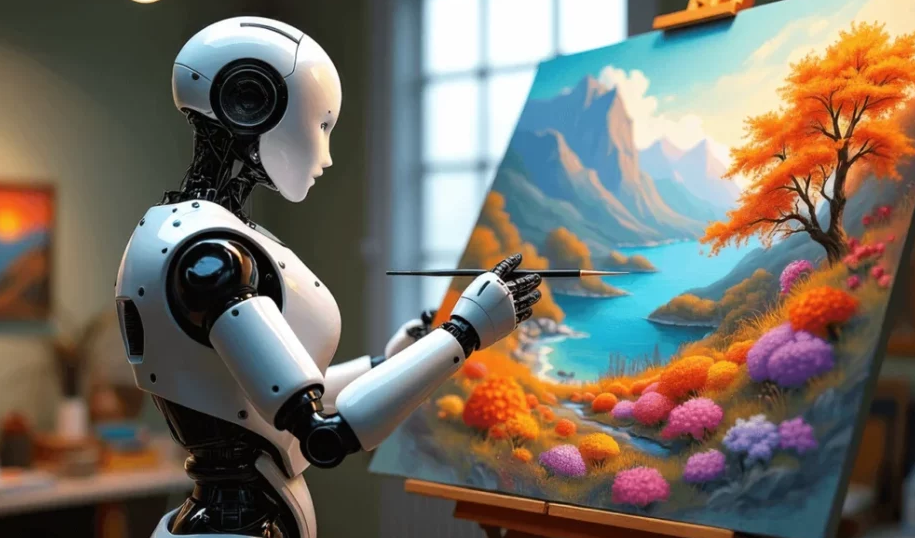
The future of creative technology is poised to revolutionize artistic landscapes. AI will enhance creative processes, generating ideas previously unimaginable. Meanwhile, virtual reality will reshape the interaction between artists and their audiences. Emerging collaborative platforms promise to democratize creativity, fostering diverse contributions. As these elements converge, they challenge traditional art forms and cultural norms. What implications will this transformation have for the artists and audiences of tomorrow?
The Role of AI in Enhancing Creative Processes
As creative professionals navigate an increasingly complex landscape, the integration of artificial intelligence emerges as a transformative force in enhancing creative processes.
AI tools facilitate seamless creative collaboration, enabling teams to harness generative design for innovative outcomes.
How Virtual Reality Is Changing the Way We Create?
How does virtual reality redefine the creative landscape?
It revolutionizes artistic expression through immersive storytelling and interactive experiences, allowing creators to transport audiences into vibrant worlds.
By dissolving traditional barriers, VR invites artists to experiment with dimensions and narratives, fostering a boundless environment where imagination thrives.
This transformative technology empowers creators, enabling them to craft profound connections that resonate deeply within the human experience.
See also: Preparing Society for Technological Change
Emerging Platforms for Collaborative Creative Projects
What new possibilities arise when artists and creators unite on digital platforms? Emerging platforms facilitate crowdsourced innovation, enabling diverse talents to engage in digital co-creation.
These collaborative spaces dissolve traditional barriers, fostering a synergy that amplifies creativity and inclusivity. As creators harness technology, they establish a vibrant ecosystem where shared visions transform into groundbreaking projects, redefining the landscape of artistic expression and community-driven endeavors.
Creative Technology’s Impact on Art and Design Industries
While traditional art and design industries have long been defined by established practices, the integration of creative technology is revolutionizing these fields.
Digital art emerges as a vibrant canvas, unleashing unprecedented design innovation. Artists and designers harness tools like AI and VR, transcending conventional boundaries.
This fusion not only redefines creativity but also empowers diverse voices, fostering an inclusive landscape of limitless artistic expression.
Conclusion
As creative technology evolves, a staggering 85% of artists anticipate incorporating AI into their work by 2025, illustrating a seismic shift in artistic practices. This integration not only enhances creative processes but also fosters unprecedented collaboration across diverse talents. With virtual reality and innovative platforms at the forefront, the future landscape of art and design promises to be more inclusive and dynamic, ultimately redefining the cultural significance of digital expressions in society.