The History of Bitcoin: From Whitepaper to Global Asset
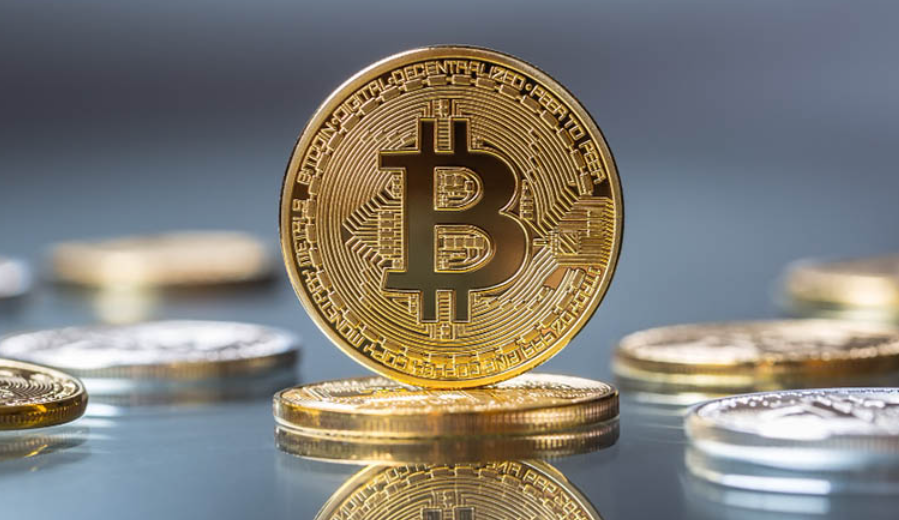
Bitcoin is the world’s first decentralized digital currency and one of the most influential financial innovations of modern times. Its journey from a simple whitepaper to a globally recognized digital asset has reshaped how people view money, trust, and financial systems.
The Financial Crisis That Sparked an Idea
The idea behind Bitcoin emerged during a period of global financial instability. Traditional banking systems were losing public trust due to economic crises and centralized control. This environment created demand for an alternative financial system that could operate independently of banks and governments.
The Bitcoin Whitepaper
In 2008, an individual or group using the name Satoshi Nakamoto published the Bitcoin whitepaper. The document introduced a peer-to-peer electronic cash system designed to allow online payments without relying on trusted third parties. It explained how cryptography and a distributed ledger could solve the problem of double spending.
The Birth of the Bitcoin Network
In early 2009, the Bitcoin network officially launched with the creation of the first block, known as the genesis block. This marked the beginning of a decentralized system where transactions could be verified and recorded without central authority. The early network consisted of only a few users who believed in the concept of digital freedom.
See also: How Blockchain Technology Powers Cryptocurrencies
Early Adoption and First Transactions
In the early years, Bitcoin had little to no monetary value. It was mainly used by developers and cryptography enthusiasts experimenting with the technology. One of the first real-world Bitcoin transactions demonstrated its potential as a medium of exchange, helping establish its use beyond theory.
Growth of the Bitcoin Community
As more people learned about Bitcoin, its community began to grow. Developers improved the software, miners joined the network, and online discussions increased awareness. This growing ecosystem played a key role in strengthening Bitcoin’s security and reliability.
Bitcoin Mining and Network Security
Mining became an essential part of the Bitcoin system. Miners verified transactions and secured the network using computational power. Over time, mining evolved from simple computer processing to large-scale operations, reflecting Bitcoin’s increasing popularity and value.
Bitcoin Enters Public Awareness
Media coverage and online forums helped bring Bitcoin into the public spotlight. As its price began to rise, investors and businesses took interest. Bitcoin was no longer just an experiment; it was becoming a recognized digital asset with real-world impact.
Challenges and Controversies
Bitcoin faced numerous challenges, including price volatility, regulatory scrutiny, and security concerns. Despite these issues, the network continued to operate without interruption. These challenges tested Bitcoin’s resilience and highlighted the strength of its decentralized design.
Bitcoin as a Global Asset
Over time, Bitcoin evolved from a digital currency into a store of value. Many people began viewing it as digital gold due to its limited supply and resistance to inflation. Institutions, investors, and individuals worldwide started recognizing Bitcoin as a legitimate financial asset.
Technological Improvements and Scaling Efforts
Developers continued to enhance the Bitcoin network by improving transaction efficiency and security. Scaling solutions were introduced to support growing usage. These advancements helped maintain Bitcoin’s relevance in an expanding digital economy.
The Future of Bitcoin
Bitcoin’s future remains a topic of global discussion. As adoption increases and technology advances, Bitcoin continues to influence financial systems worldwide. Its decentralized nature and transparent design position it as a long-term player in the evolution of digital finance.
Conclusion
Bitcoin’s history is a story of innovation, resilience, and transformation. From a whitepaper shared online to a global digital asset, Bitcoin has changed the way people think about money. Its journey demonstrates the power of decentralized technology and its potential to reshape the future of finance.